Loading...
Serving Quincy, MA and surrounding areas. (617) 691-5917
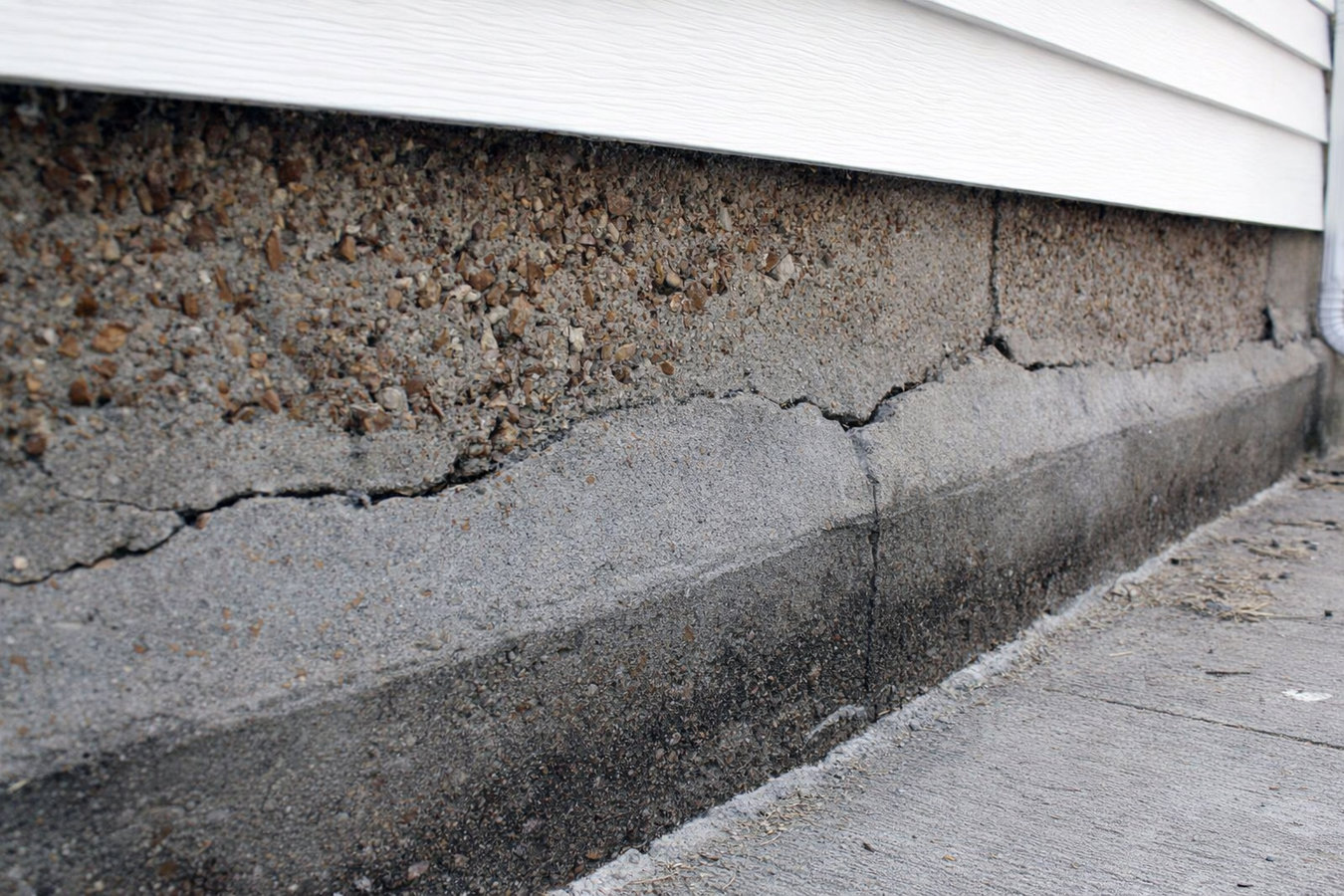
A sunken driveway, tilting patio, or uneven garage floor does not always mean a full concrete replacement. We lift settled slabs in Quincy back to level, address the drainage problem underneath, and save you the cost and disruption of tearing everything out.
Foundation raising in Quincy lifts a sunken or uneven concrete slab back to its original level position by pumping material into the voids underneath it. Most residential jobs take a few hours to a full day; the slab is usable again within 24 hours for slurry methods or within an hour for foam injection.
Slabs settle when the soil beneath them shifts, washes away, or compresses. In Quincy, freeze-thaw cycles and the city's older housing stock make this a common problem, not an unusual one. A driveway that dips toward the garage, a patio that tilts toward the house, or a garage floor with a visible low corner are all candidates for lifting rather than replacement, as long as the concrete itself is structurally sound.
Foundation raising pairs well with our slab foundation building work for homeowners who have discovered that a slab is too deteriorated to lift and needs a full pour instead. If that is the situation, we handle both assessments and can tell you honestly which path fits your project.
Stand at one end of your driveway, patio, or garage floor and look across the surface. If it slopes toward the house, toward a corner, or toward a drain that is not there, the slab has settled unevenly. In Quincy, this is especially common after a hard winter. The freeze-thaw cycle can shift a slab several inches over just a few seasons of repeated ground movement.
Puddles forming against your house or garage after a rainstorm mean the slab is no longer draining away from the structure the way it was designed to. Quincy's older neighborhoods often have original grading that has shifted over decades, and a tilted slab can redirect water straight toward your foundation instead of away from it, which is a moisture and waterproofing problem waiting to develop.
A raised edge where two slabs meet, or a section that rocks slightly when you step on it, is a sign that the soil underneath has shifted enough to leave part of the slab unsupported. Beyond being a tripping hazard, an unsupported slab continues to settle under its own weight. The longer you wait, the wider the gap and the worse the settlement typically becomes.
When a slab shifts, it can transfer that movement to the structure above it. If a door near your garage or basement entrance has started sticking or a nearby window is harder to open than it used to be, slab movement may be the cause rather than the door or window itself. This is a sign that the problem has already reached the framing and is worth addressing before the movement continues.
We perform slab lifting for driveways, patios, garage floors, walkways, and basement floor sections throughout Quincy. Every project begins with a site visit, not a phone estimate. We look at the slab, probe the soil, and check for drainage conditions that may have caused the settlement. At the end of that visit, we tell you whether lifting is the right call or whether replacement makes more sense for your specific situation.
We use two methods depending on the job. For most residential slabs, expanding polyurethane foam injection is our preferred approach. It cures quickly, leaves smaller holes, and is lighter than a cement-based fill, which matters in areas where soil bearing is already a concern. For larger voids or situations where a heavier fill is appropriate, we use a cement-slurry mudjacking approach. We explain both options before any work begins and give you a written estimate that covers the full scope including cleanup and patching.
Foundation raising is related to our concrete cutting service for situations where a damaged section needs to be removed before new material can be placed. If we assess your slab and find that the concrete is too deteriorated to lift cleanly, we can transition directly into a cutting and repour scope so you are not starting the process over with a second contractor.
Best suited for residential slabs where fast cure time and minimal surface disruption are priorities; holes are small and the slab is usable within the hour.
Appropriate for larger voids or heavier commercial slabs where a denser fill material is needed; requires 24 hours of cure time before use.
Paired with every lifting job; we identify the water or soil issue that caused the settlement and recommend corrections so the lift holds long-term.
Quincy sits in a climate zone where temperatures cross the freezing point dozens of times between November and March. Every freeze-thaw cycle expands and contracts the soil beneath concrete slabs. Over years, this repeated movement is one of the leading reasons slabs settle in this area. A slab that was poured level in 1965 has been through sixty or more winters of that cycle. Settlement is genuinely common here, not a sign that something unusual went wrong with your property.
Quincy's proximity to Boston Harbor adds a second factor. Neighborhoods near Wollaston Beach, Marina Bay, and the Fore River sit on fill or low-lying ground with high water tables. Soil in those areas is more prone to shifting and erosion, which accelerates slab settlement beyond what you would expect from freeze-thaw alone. Homeowners in Quincy and surrounding communities like Brockton and Newton all deal with similar soil and frost conditions, and foundation raising is a proven, cost-effective response in all of them.
Massachusetts requires contractors performing structural or foundation work to hold a valid Construction Supervisor License issued by the state. You can verify any contractor's license at the Massachusetts Office of Consumer Affairs and Business Regulation. Permits for structural foundation work go through Quincy's Inspectional Services Department. A contractor who discourages you from pulling a permit when one is required is worth being cautious about.
Reach out by phone or through our contact form. We will ask a few questions about the location, the type of slab, and whether you have noticed water pooling nearby. You will hear back within one business day and we will schedule a site visit from there.
We visit your property, assess how much the slab has settled, probe the soil, and look for drainage conditions that caused the problem. At the end, you get a written estimate and an honest recommendation: lift it, or replace it. There is no charge for this visit.
If your project requires a permit from the City of Quincy, we handle the paperwork. Most residential slab lifts are scheduled within one to three weeks. We will confirm the method being used and what you need to clear from the work area beforehand.
The crew drills injection holes, pumps material beneath the slab, and raises it back to level in a single session. Holes are patched before we leave. We walk you through the finished surface and give you written instructions on cure time and any follow-up drainage steps to keep the lift holding.
We visit your property, assess the slab in person, and give you a written number. No obligation and no sales pressure.
(617) 691-5917A large share of Quincy's residential slabs were poured between the 1940s and 1960s, and they behave differently under lifting equipment than modern pours. We have assessed hundreds of slabs from that era across the city and know how to approach them without creating new cracks in concrete that is already brittle from age and weather cycles.
Lifting a slab without addressing the water problem underneath it is a temporary fix. Before we leave any job, we point out the drainage issue that caused the settlement and give you specific recommendations for correcting it. Homeowners who act on those recommendations get measurably longer-lasting results.
Structural foundation work in Quincy can require a permit from the city's Inspectional Services Department. We know which jobs need one and which do not. When a permit is required, we pull it, coordinate the inspection, and keep you informed throughout. The work is on record and your home sale will not be complicated by unpermitted structural repairs.
We work throughout Quincy and serve twelve communities across eastern Massachusetts and Rhode Island, including the South Shore, Greater Boston, and the Providence metro area. A contractor with that geographic range understands how local soil, climate, and housing stock differences affect slab behavior from one town to the next. Industry standards for slab lifting are maintained by the American Concrete Institute.
Foundation raising is a job where local knowledge makes a tangible difference. Soil conditions, frost depth, housing age, and drainage patterns all vary across Quincy's neighborhoods. We bring that knowledge to every assessment and every job.
When a slab is too damaged to lift, precise concrete cutting removes the deteriorated section so fresh material can be poured in its place.
Learn moreFor homeowners whose slab is beyond lifting, we design and pour a new slab foundation engineered for Quincy's frost depth and soil conditions.
Learn moreFoundation raising is most effective when scheduled between late spring and early fall. Contact us now to get your free site assessment on the calendar before the season closes.