
Loading...
Serving Quincy, MA and surrounding areas. (617) 691-5917
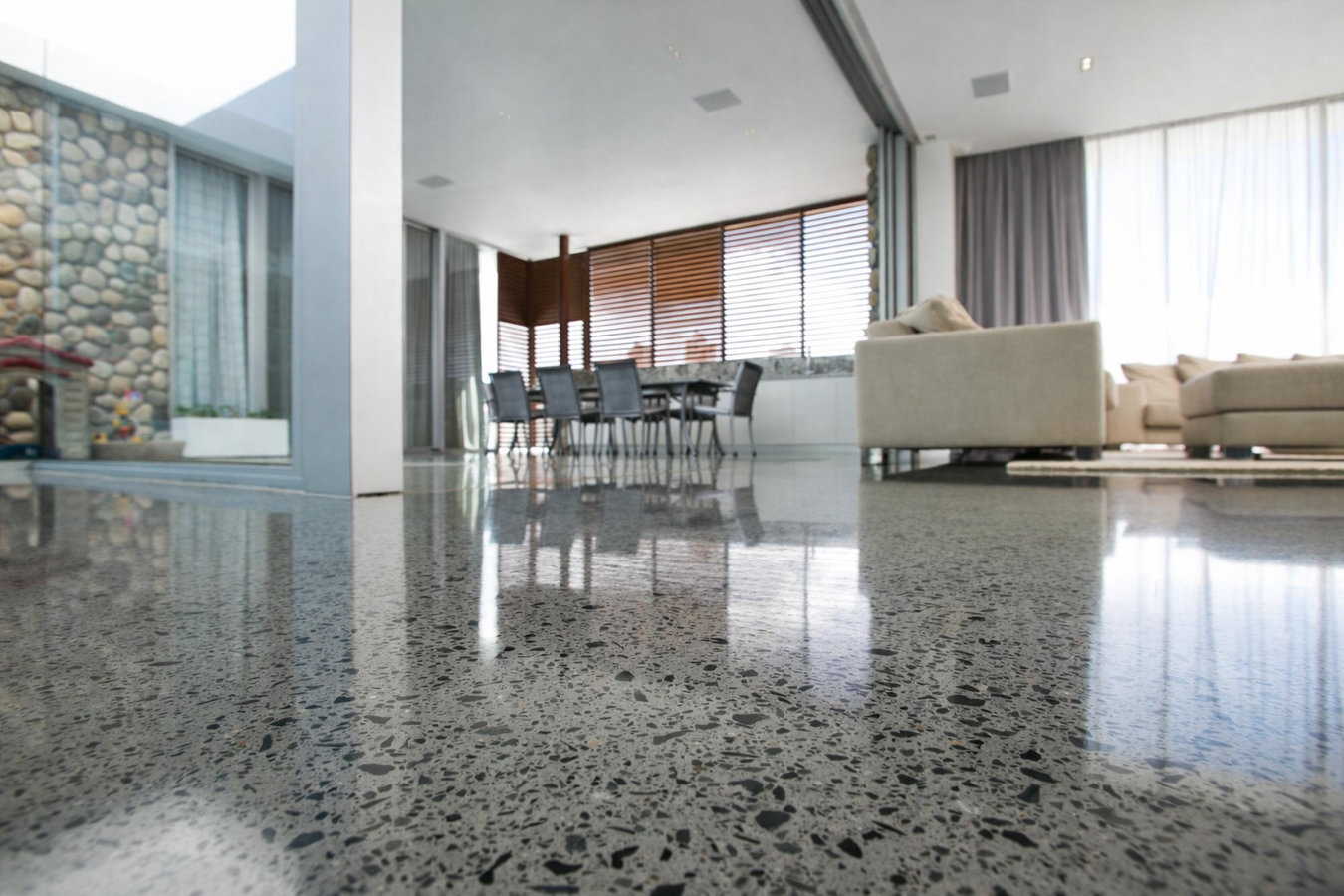
PaveRight Quincy Concrete installs concrete floors, driveways, retaining walls, and steps throughout Framingham. We respond within one business day, understand the postwar Cape and Colonial homes that define most of the city, and have direct experience with the older mill-era properties in Saxonville and downtown.
Framingham's mix of postwar single-family homes, older Saxonville mill-era properties, and clay-heavy soil creates concrete needs that vary significantly across the city. These are the services we handle most often here.
Framingham's postwar homes were often built with minimal basement floor preparation, and decades of clay-soil moisture and seasonal movement have left many of those original slabs uneven, cracked, or perpetually damp. A replacement with a properly compacted gravel base, vapor barrier, and fresh pour gives homeowners a dry, level floor ready for finished space. Our concrete floor installation work includes full demolition, sub-base prep, and finished surface options suited to Framingham's clay-soil drainage conditions.
Framingham averages close to 48 inches of snow per year, and the freeze-thaw cycling in late winter is one of the hardest things on driveways in the city. Original driveways on 1950s and 1960s Capes and Colonials are typically at the end of their useful life, with cracking and frost heave that patching cannot fix. Full replacement with a correctly prepared aggregate base handles the freeze-thaw cycle that repeats every winter.
Properties in hillier parts of Framingham - including neighborhoods near Nobscot and the older areas near Saxonville - often have grade changes that require retaining walls to stabilize soil and protect structures. Framingham's clay soil retains water long after a storm, which builds hydrostatic pressure behind older walls and eventually causes them to crack or lean. New walls designed with drainage relief eliminate that pressure cycle.
Front entry steps on Framingham's older Colonials and Capes often show the same frost-heave and settlement issues as the driveways - steps settle away from the entry, surface spalling creates trip hazards, and patching is rarely cost-effective after the third repair cycle. New poured steps with control joints and a compacted base resolve the problem for the next generation of the home's life.
Attached and detached garages on Framingham's postwar homes frequently have original concrete floors that have never been replaced. Moisture vapor rising through the slab, cracks from decades of thermal movement, and surface scaling from salt exposure are all common. Replacing the floor on a properly prepared base eliminates the moisture issue and gives the space a clean, durable surface.
The bulk of Framingham's housing stock was built between the late 1940s and the 1970s - postwar Capes, Colonials, and ranch homes that are now 50 to 75 years old. Most of them have never had their concrete driveways, basement floors, or front steps replaced. When those original pours finally fail, the condition of the sub-base is usually the bigger problem: inadequate compaction, organic material in the fill, and years of clay-soil movement have often destabilized the base as much as the concrete itself. Fixing only the visible surface without addressing what is underneath produces work that fails again within a few years.
Framingham sits on glacial till and clay-heavy soil that holds water for days after a rain or snowmelt event. That sustained moisture against foundations and flatwork creates hydrostatic pressure, encourages efflorescence on concrete block walls, and accelerates freeze-thaw damage in winter. Homes near Farm Pond and the Sudbury River corridor are in low-lying areas that are especially affected after heavy spring rains. Any concrete work near those properties needs to account for drainage slope from the first day of the design.
The Saxonville village section of Framingham has a distinct housing type that predates the postwar boom: mill-era homes from the late 1800s and early 1900s, some with rubble stone foundations and original framing that has never been touched. Work on these properties requires a different approach than a standard slab replacement on a 1960s Colonial. A contractor who has only worked on newer construction is likely to underestimate the scope and underprice the job, which creates problems for everyone.
We pull building permits through the Framingham Building Department and have worked on properties across the city, from the older Capes and Colonials near downtown to the mid-century homes in the neighborhoods around Farm Pond and the mill-era houses in Saxonville along the Sudbury River. Framingham became a city in 2018 after more than 375 years as a town, and its permit and inspection processes reflect a municipal structure that has grown significantly in recent years.
Route 9 and the Mass Pike (I-90) are the main east-west corridors through the city, putting Framingham about 20 miles west of Boston. Framingham State University is one of the most recognizable institutions in the city - its campus sits near the center of town and many of the residential streets surrounding it have homes dating to the early-to-mid 20th century. The city's size - roughly 26 square miles - means travel times between neighborhoods vary, and we account for that in our scheduling.
Framingham connects directly to our coverage in Worcester, MA to the west, where postwar housing stock and clay soils create nearly identical concrete challenges. We also work regularly in Lowell, MAto the north, where older mill-city housing requires the same attention to foundation and flatwork conditions that we encounter in Framingham's Saxonville neighborhood.
Reach us by phone or the contact form with your Framingham address and a description of what you need. We get back to you within one business day.
We assess the site, check sub-base and drainage conditions, and give you a written quote before anything is scheduled. On older Framingham properties, this step is especially important because sub-base problems are common and affect cost directly.
When a permit is needed, we file with the Framingham Building Department and manage the review process. Most residential permits are approved within two to four weeks. The permit cost is included in your estimate from the start.
Most residential jobs in Framingham take one to three days of active work. New concrete needs 24 to 48 hours for foot traffic and about seven days before vehicle use. We remove all debris before leaving the site.
We serve all of Framingham - from Saxonville and Farm Pond to Nobscot and downtown. Describe your project and we will respond within one business day.
(617) 691-5917Framingham is one of the 10 largest cities in Massachusetts, with about 73,000 residents spread across roughly 26 square miles in MetroWest, about 20 miles west of Boston along Route 9 and I-90. It became a city in 2018 after more than 375 years as a town - a shift that reflected its growth into a full urban center with distinct neighborhoods and a regional commercial presence along Route 9. The city is home to a large and long-established Brazilian community centered around downtown and the Saxonville and Coburnville neighborhoods, which has shaped its character and commercial life significantly since the 1980s.
The city's neighborhoods range from the historic Saxonville mill village along the Sudbury River in the northwest - with homes dating to the late 1800s - to the postwar subdivisions of Nobscot in the east, where Capes and Colonials built in the 1950s and 1960s define most of the residential streetscape. Farm Pond, in the center of the city, has been a community gathering place for generations. Downtown Framingham, near Framingham Centre, has a mix of older commercial buildings and residential streets with homes that reflect multiple eras of construction.
Homeowners in Worcester, MAto the west navigate the same postwar housing stock and clay-soil drainage challenges that define much of Framingham's concrete work. Further east, homeowners in Newton, MA deal with similar older housing conditions, where aging driveways and foundation-adjacent concrete work require the same careful assessment before any pour begins.
Custom concrete driveways built for durability, curb appeal, and long-term performance.
Learn moreAttractive concrete patios designed to expand your outdoor living space.
Learn moreDecorative stamped patterns that replicate stone, brick, or tile at a fraction of the cost.
Learn moreSafe, smooth concrete sidewalks installed to code for residential and commercial properties.
Learn moreDurable garage floor slabs and coatings that stand up to daily vehicle and foot traffic.
Learn moreCustom decorative finishes that add character and color to any concrete surface.
Learn moreStructural concrete retaining walls that prevent erosion and define outdoor spaces.
Learn moreInterior and exterior concrete floor installation for residential and commercial spaces.
Learn moreSlip-resistant, heat-reflective concrete pool decks built for safety and style.
Learn moreCustom concrete steps and stoops built to complement your home's exterior.
Learn moreConcrete slab foundations engineered for stability on any residential or commercial build.
Learn moreFull foundation installation services from site preparation through final pour.
Learn moreCommercial and residential concrete parking lots designed for heavy-load durability.
Learn morePrecise concrete footings that provide the structural base for decks, additions, and buildings.
Learn moreExpert foundation raising and leveling to correct settling and protect structural integrity.
Learn morePrecision concrete cutting for repairs, modifications, and utility access.
Learn moreServing these cities and communities.
Contact PaveRight Quincy Concrete today - we respond within one business day and serve all of Framingham, from Saxonville and downtown to the neighborhoods near Farm Pond and Nobscot.