Loading...
Serving Quincy, MA and surrounding areas. (617) 691-5917
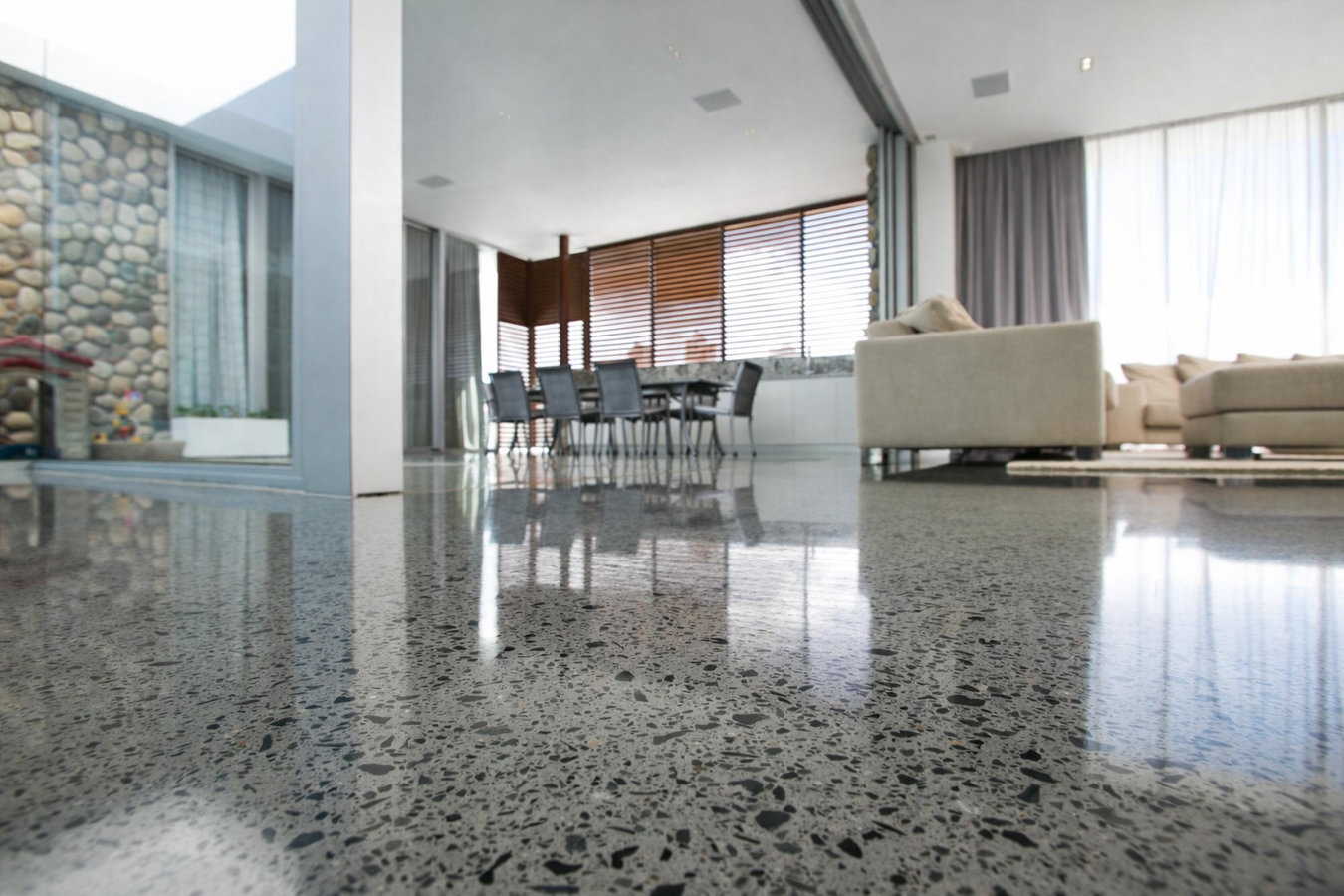
Cracked, flaking, or uneven basement or garage floor? We replace aging slabs from the base up, with proper moisture protection and the right mix for Quincy winters.
Concrete floor installation in Quincy means removing the old slab if one exists, compacting and grading the base underneath, laying any moisture barrier and reinforcement, and pouring and finishing a new slab. Most residential jobs take one to three days of active work. The floor can be walked on within 24 to 48 hours, though full curing takes about 28 days.
In Quincy, what happens before the pour matters more than what happens during it. Many homes in the city were built before 1960, and original basement slabs are often thinner than current standards with no reinforcement inside them. When those slabs are removed, contractors sometimes find that the base material underneath has settled or been compromised by moisture. Getting that base right before any concrete is poured determines whether your new floor stays flat and crack-free for decades.
If you are renovating a garage at the same time, we also handle garage floor concrete as a separate service. Many homeowners tackle both spaces in one project to reduce the number of permit filings and mobilizations.
Hairline cracks that have been stable for years are often cosmetic. But cracks wider than a pencil tip, cracks where one side sits higher than the other, or cracks that keep reappearing after patching are signs the slab is failing. In Quincy's older housing stock, thin original slabs commonly reach this point once moisture has cycled through them enough winters.
When the top layer of a floor chips off in small pieces or looks rough and cratered, it is called spalling. This is very common in the Boston area because freeze-thaw cycles push water into tiny pores in the concrete, freeze, and pop the surface off. Once spalling starts, it accelerates. A floor that looks like it is shedding in your garage or basement is telling you the surface is done.
White powder on concrete, known as efflorescence, is a sign that water is moving up through the slab and depositing minerals as it evaporates. Damp patches after rain or during spring thaw carry the same message. In Quincy neighborhoods near the harbor or in low-lying areas, this is a common problem and usually means the floor needs to be replaced with proper moisture protection underneath.
If you can feel a slope, hump, or dip when you walk across your basement or garage, the slab has shifted. This happens when the soil underneath settles or erodes over time. An uneven floor creates drainage problems, makes it hard to finish the space properly, and signals that the base needs to be corrected before a new slab is poured.
Most residential concrete floor jobs fall into one of two situations: replacing a damaged or aging slab in a basement or garage, or pouring a new slab in a space that did not have one before. In both cases, the process starts with the base. We grade and compact the subbase, lay reinforcement mesh or rebar, and, where moisture is a concern, install a vapor barrier underneath before any concrete is poured.
Finish choice depends on how the space will be used. A broom finish is the practical default for garages and utility spaces. It provides slip resistance and is durable under vehicle traffic. A smooth trowel finish works better for basements you plan to finish or use as living space, since it is easier to clean and provides a better base for flooring materials laid on top. If you also want outdoor concrete work done at the same time, we can connect your indoor floor to an exterior pool deck or patio; we handle concrete pool decks in Quincy as a connected service.
For homeowners who want the floor to look like more than plain concrete, stained or stamped interior finishes are available. These cost more but can make a basement floor read as a finished living surface rather than a utility space.
Best for garages and utility spaces where slip resistance and durability under vehicle traffic matter most.
Suited to basements being finished as living space, providing a clean flat surface for flooring installation on top.
Ideal for homeowners who want the floor to function as a finished surface in a visible, frequently used space.
Quincy's winters are one of the main reasons concrete floors fail prematurely here. The freeze-thaw cycle that runs from November through March pushes moisture into slabs from below and causes surface spalling from above. A floor poured without the right base preparation or moisture protection will start showing damage within a few seasons. The Portland Cement Association specifically identifies inadequate subbase preparation and poor moisture control as the two most preventable causes of premature concrete floor failure in cold climates.
Quincy's proximity to Boston Harbor also raises the stakes on moisture management. Neighborhoods in lower-lying parts of the city deal with relatively high water tables, and basement slabs in these areas are constantly exposed to upward moisture pressure. In Quincy, a vapor barrier is not optional for basement work. Homeowners in Cambridge and other older urban neighborhoods face the same challenge with original thin slabs on aging building stock.
Finally, Quincy's dense neighborhoods often mean tight access for concrete trucks and equipment. Narrow driveways, limited street parking, and close-together homes are common in areas like Wollaston, Germantown, and South Quincy. In tight spots, a pump truck may be needed to move concrete from the street to the pour area. Contractors who have not worked in this city before sometimes overlook this; we factor site access into every estimate from the start.
We respond within 1 business day to schedule a free in-person visit. We measure the space, check the condition of the existing floor and base, look for moisture issues, and answer questions. No firm numbers are given until we have seen the space.
You receive a written estimate covering labor, materials, removal if needed, and permit fees. We file the building permit with the City of Quincy on your behalf before any work begins. Permit timelines in Quincy typically add one to two weeks.
The crew removes the old slab if needed, grades and compacts the base material, and installs a vapor barrier and reinforcement. This prep phase can take a full day in older Quincy homes where the subbase needs significant correction.
Concrete is poured, spread, and finished to the agreed surface texture. Stay off the floor for at least 24 hours. The city inspector signs off before the job is closed out. Your contractor tells you exactly when each stage of curing is complete.
We visit your space in person, give you a written estimate, and handle the permit with the city. No guesswork, no obligation.
(617) 691-5917Every floor we install starts with a properly compacted and graded subbase. Floors that crack prematurely almost always trace back to a base that was rushed. We do not skip this step regardless of the timeline.
We install a vapor barrier under every basement slab as standard practice. Quincy's proximity to Boston Harbor and the age of the city's housing stock make moisture from below one of the most predictable threats to a new floor here. The American Concrete Institute recommends vapor barriers in exactly these conditions.
We file the building permit with the City of Quincy before work begins and coordinate the inspection at completion. A permitted and inspected floor is documented with the city, which protects you if you ever sell or refinance your home.
We work in Quincy and 11 surrounding cities including Brockton, Cambridge, Newton, and Lynn. Each city has its own permit process and site conditions. Local experience means fewer surprises and faster timelines for homeowners we work with.
We build floors for the conditions that exist in Quincy specifically: older housing stock, coastal moisture, freeze-thaw winters, and tight urban lots. When you hire us, you get a team that has worked through those conditions before and builds the solution around them from the first estimate to the final inspection.
Poured concrete pool surrounds that are slip-resistant, durable, and finished to complement your outdoor space.
Learn moreDedicated garage slab replacement with vehicle-rated finishes and the base preparation your floor needs to stay flat.
Learn moreQuincy permit timelines mean the earlier you call, the sooner work can begin. Get your free estimate with no obligation.